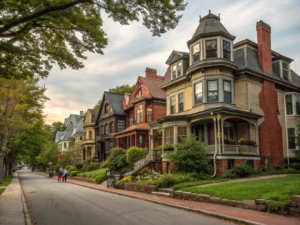
One of the things that makes Greater Boston such a special place to live is its incredible housing stock.
From historic Colonials and Victorian homes to classic Triple-Deckers, Cape Cods, and early 20th-century Craftsman homes, many of the area’s neighborhoods are filled with homes that have stood for decades—or even centuries.
These homes offer character, craftsmanship, and architectural details that are difficult to find in newer construction. However, older homes also have unique maintenance needs and may contain building materials or systems that reflect the standards and construction practices of their time.
If you’re purchasing an older home, understanding these common conditions can help you make a more informed buying decision.
Every Older Home Has a Story
Unlike newly constructed homes, older properties have often been owned by multiple families over many decades.
During that time, the home may have experienced:
- Additions
- Renovations
- Repairs
- System upgrades
- Deferred maintenance
- Cosmetic remodeling
Some work may have been completed professionally, while other improvements may have been performed by previous homeowners.
A professional home inspection helps identify the visible condition of the home’s readily accessible systems and components at the time of the inspection.
Foundation Settlement
Many older Boston-area homes have experienced years of normal settling.
Depending on the home’s age and construction, inspectors may observe:
- Settlement cracks
- Uneven floors
- Doors that stick
- Windows that don’t operate smoothly
- Minor movement typical for homes of that age
Not every crack or uneven floor indicates a structural problem. Many older homes have performed well for decades despite these conditions.
Our role is to identify and document observed conditions and recommend further evaluation when appropriate.
Older Electrical Systems
Electrical systems have changed significantly over the years.
Depending on when a home was built, inspectors may observe:
- Older service panels
- Outdated wiring methods
- Insufficient electrical capacity for today’s lifestyle
- Missing GFCI or AFCI protection where applicable
- Amateur electrical modifications
Many older electrical systems continue to function, but buyers should understand their age, condition, and limitations.
Plumbing Systems
Older Boston homes often contain plumbing materials that are no longer commonly installed today.
Depending on the property’s age, inspectors may observe:
- Galvanized steel piping
- Cast iron drain piping
- Older copper piping
- Aging fixtures
- Signs of previous repairs
Understanding the condition of plumbing systems can help buyers plan for future maintenance or replacement.
Heating Systems
New England homes rely heavily on heating systems for much of the year.
During an inspection, we evaluate the visible condition of heating equipment and look for observations such as:
- Older boilers
- Furnaces approaching the end of their expected service life
- Improper venting
- Deferred maintenance
- Distribution concerns
Even well-maintained systems eventually require replacement as they age.
Roofs
Many older homes have had multiple roof replacements over the years.
During the inspection, we evaluate visible conditions including:
- Roofing materials
- Flashing
- Chimneys
- Roof penetrations
- Drainage
- Signs of previous repairs
Understanding the roof’s visible condition can help buyers plan for future maintenance.
Windows and Doors
Original windows and doors add tremendous character to older homes.
However, they may also exhibit:
- Air leakage
- Worn weatherstripping
- Operational difficulties
- Broken sash cords
- Older glazing
Many buyers choose to preserve original architectural features while improving energy efficiency over time.
Attics and Insulation
Many historic homes were constructed long before modern insulation standards existed.
Inspectors commonly observe:
- Limited attic insulation
- Older ventilation systems
- Previous insulation upgrades
- Air leakage
- Moisture concerns
Improving insulation is often one of the most cost-effective energy improvements homeowners can make.
Basements
Many Boston-area homes have basements that are more than 75 or even 100 years old.
Common observations may include:
- Moisture intrusion
- Efflorescence
- Older masonry
- Minor settlement
- Previous repairs
Some degree of seasonal moisture may be common in older basements, but every home is unique and should be evaluated individually.
Wood-Destroying Insects
Depending on the property’s location and condition, inspectors may observe evidence suggesting the need for further evaluation for:
- Carpenter ants
- Wood-boring beetles
- Termites (where applicable)
If conditions warrant additional evaluation, we will explain our observations in the inspection report.
Environmental Considerations
Older homes may contain building materials or systems that were commonly used when the home was built but are less common today.
Examples include:
- Lead-based paint
- Asbestos-containing materials
- Older insulation products
A standard home inspection does not determine the presence of environmental hazards. If concerns exist, specialized testing by qualified professionals may be appropriate.
Deferred Maintenance
One of the most common observations in older homes is simply deferred maintenance.
Items such as:
- Peeling paint
- Worn caulking
- Loose handrails
- Missing weatherstripping
- Minor exterior repairs
Character vs. Defects
One of the biggest misconceptions about older homes is that every imperfection represents a serious problem.
That’s simply not true.
Many older homes:
- Were built using high-quality materials.
- Have stood successfully for generations.
- Continue to perform well despite cosmetic imperfections.
Part of our job is helping buyers distinguish between:
- Normal aging
- Routine maintenance
- Observed deficiencies
- Conditions that may warrant additional evaluation
Why Experience Matters
Inspecting a 120-year-old Victorian in Boston requires a different perspective than inspecting a newly constructed subdivision home.
Older homes often reflect the building methods, materials, and construction practices of the time they were built.
At Advanced Building Inspectors, we have extensive experience inspecting older New England homes and helping buyers understand their unique characteristics.
Our goal isn’t to compare an older home to today’s construction standards.
Our goal is to provide objective information about the home’s visible condition so you can make informed decisions.
Buying an Older Home Can Be One of the Best Decisions You’ll Make
Many of Greater Boston’s most desirable neighborhoods are filled with homes that have stood the test of time.
With the right expectations and a professional home inspection, buying an older home can be both exciting and rewarding.
Understanding the property’s strengths, maintenance needs, and observed condition allows you to move forward with confidence.
Schedule Your Home Inspection
Whether you’re purchasing a historic Colonial in Lexington, a Victorian in Newton, a Triple-Decker in Dorchester, a Cape in Quincy, or a classic New England home anywhere in Massachusetts, Advanced Building Inspectors is here to help.
Our inspections are designed to provide clear, objective information so you can better understand the home before you buy.
Contact Advanced Building Inspectors today to schedule your inspection.