“It’s brand new—why would it need a home inspection?”
It’s one of the most common questions we hear from homebuyers.
Many people assume that because a home has just been built, it’s free of defects and ready for move-in without any concerns. While new homes are constructed under current building codes and typically undergo municipal inspections throughout the construction process, that doesn’t necessarily mean every detail has been completed as intended or that every issue has been identified before closing.
An independent home inspection provides another opportunity to evaluate the home’s readily accessible systems and components before you become the owner.
New Doesn’t Always Mean Perfect
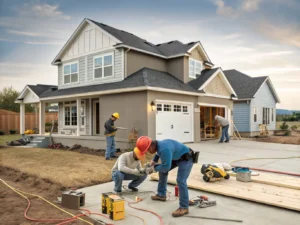
Building a new home is a complex process involving many different trades and contractors. Framers, roofers, electricians, plumbers, HVAC technicians, insulation installers, drywall contractors, painters, flooring installers, and finish carpenters all contribute to the finished product.
With so many people working on a home over several months, it’s understandable that some items may be overlooked or completed incorrectly. Even high-quality builders can experience workmanship issues, scheduling challenges, or simple oversights.
A professional home inspection helps identify observed conditions that you may wish to discuss with your builder before closing.
Municipal Inspections and Private Home Inspections Serve Different Purposes
One of the biggest misconceptions is that municipal building inspections eliminate the need for a private home inspection.
Municipal inspectors play an important role by helping verify that construction generally complies with applicable building codes at various stages of construction. Their inspections are typically limited to specific phases of the project and are not intended to replace an independent home inspection performed for the buyer.
A private home inspection is conducted on your behalf and focuses on the visible condition of the home’s readily accessible systems and components at the time of the inspection. The goal is to provide you with objective information so you can better understand the home before completing your purchase.
Common Issues Found in New Construction
While every home is different, inspectors frequently observe conditions such as:
Roofing
- Damaged or improperly installed shingles
- Flashing concerns
- Exposed nail heads
- Improper roof drainage
Exterior
- Missing or damaged caulking
- Improper grading around the foundation
- Incomplete siding or trim
- Loose gutters or downspouts
Structure and Foundation
- Minor settlement cracks
- Inadequate drainage away from the foundation
- Improper grading that may direct water toward the home
Electrical
- Missing GFCI or AFCI protection where required
- Loose receptacles
- Improperly labeled electrical panel
- Incomplete installation of fixtures
Plumbing
- Leaks beneath sinks
- Loose fixtures
- Improper drainage
- Missing insulation on exposed pipes
Heating and Cooling
- Improper airflow
- Incomplete HVAC installation
- Missing insulation around ductwork
- Thermostat calibration concerns
Interior
- Doors that don’t latch properly
- Windows that bind or don’t lock correctly
- Nail pops
- Drywall cracks
- Flooring imperfections
Many of these items are relatively minor, but identifying them before closing gives you the opportunity to discuss them with your builder while the project is still being completed.
Foundation Settlement Is Normal—But It Should Be Documented
Most new homes experience some degree of settlement as soils compact and the structure adjusts after construction.
Small cosmetic cracks may occur as part of this process. However, some conditions deserve closer attention.
An inspection documents the visible condition of the home at the time of the inspection, creating a useful record that can help you monitor changes over time and determine whether additional evaluation may be appropriate.
A Home Inspection Helps You Learn About Your New Home
A new home inspection isn’t just about identifying observed deficiencies.
It’s also an opportunity to learn:
- How your home’s major systems operate
- Where important shutoffs are located
- Basic maintenance recommendations
- Seasonal maintenance tasks
- How to help protect your investment
Understanding your home from day one can make homeownership less stressful and help you care for the property over time.
Peace of Mind Before Closing
Purchasing a home is one of the largest financial investments most people will ever make.
An independent home inspection provides valuable information about the home’s visible condition before you take ownership. It allows you to become familiar with the property, understand its systems, and identify observed conditions that you may wish to discuss with the builder before closing.
Why Choose Advanced Building Inspectors?
At Advanced Building Inspectors (ABI), we’ve helped Massachusetts homebuyers make informed purchasing decisions since 2001.
Our inspections are performed in accordance with the Massachusetts Standards of Practice for licensed home inspectors and include:
- A professional visual inspection of the home’s readily accessible systems and components
- A detailed digital report with color photographs
- Easy-to-understand explanations of our observations
- Time to answer your questions
- A commitment to helping you understand the home—not just providing a report
Whether you’re purchasing your first home or your fifth, a new construction home deserves the same careful evaluation as any other property.
Schedule Your New Construction Inspection
Buying a brand-new home is exciting. Let Advanced Building Inspectors help you better understand the home before you close so you can move in with confidence.
Contact us today to schedule your inspection.